



Spread Facts Not Flu is a Cook County Department of Public Health campaign to raise awareness that vaccination is the safest and best protection against flu, COVID and RSV, and provide trusted information.
Why it Matters
Vaccines are one of the safest and most effective ways to protect yourself and others from serious diseases. Staying up to date on recommended vaccines can lower your risk of severe illness, hospitalization, or death.
- Protection at every age. Vaccine needs change throughout life, helping protect you from diseases that pose different risks as you age.
- Flu, COVID-19 and RSV: Vaccination can help protect against respiratory illnesses that are more likely to spread during fall and winter.
- Protect those around you. Vaccination helps reduce the spread of disease, especially to people who are more vulnerable.
- Stay up to date. Staying up to date helps protect you and your community from diseases that can potentially be prevented through vaccination.
What does each vaccine protect against?
Flu
What does the Flu vaccine protect against?
The flu vaccine helps protect against influenza (flu), a contagious respiratory illness that affects the nose, throat, and lungs. Influenza A and B viruses routinely spread in people between October and March every year.
Why Get a Flu Vaccine?
- The flu is highly contagious and potentially fatal.
- Vaccines activate the body’s immune response against the flu virus, which provides protection from severe respiratory illness. Vaccination is especially important in the fall and winter when the number of flu cases spikes.
- Flu vaccines can prevent infection, reduce the severity of illness, and save the lives of adults and children.
Flu can be serious
- During the 2025-2026 flu season, there were at least 32 million illnesses, 390,000 hospitalizations, and 24,000 deaths .
- There were 191 pediatric deaths and the number of children aged 5-17 who were hospitalized with the flu was the highest in 15 years .
How Well Does the Flu Vaccine Work?
- Seasonal flu vaccine effectiveness studies show that flu vaccination, on average, reduces the risk of serious illness by 40% to 60%.
Who should get the flu vaccine?
With rare exception, everyone 6 months and older should get a flu shot.
COVID
What does the COVID-19 vaccine protect against?
The COVID-19 vaccine helps protect against COVID-19, a contagious respiratory illness caused by the coronavirus. It can cause mild to severe respiratory illness , including dry cough, shortness of breath, fatigue, fever, diarrhea, head and body aches, and loss of taste and/or smell.
Why Get a COVID-19 Vaccine?
- COVID-19 continues to evolve and spread.
- Each year, new variants of the virus that causes COVID-19 emerge. Updated vaccines are designed to provide protection against these new strains.
- COVID-19 cases often surge during respiratory virus season, which spans October through March. Getting an updated vaccine helps ensure protection during times of increased spread.
- Protection from the vaccine decreases over time.
How Well Does the COVID-19 Vaccine Work?
- Research suggests that the COVID-19 vaccine provides the strongest protection against COVID-19 during the first three months after vaccination and against severe disease for up to six months. Getting an updated COVID-19 vaccine helps provide the strongest protection against the virus over time.
Who Should Get the COVID-19 Vaccine?
- Pregnant people
- Children ages 6 to 23 months
- Children, ages 24 months through 18 years, who are at risk for severe disease or as requested by parents or guardians
- Adults ages 19 years and older
RSV
What does RSV immunization protect against?
RSV immunization helps protect against respiratory syncytial virus (RSV), a common respiratory virus that usually causes mild, cold-like symptoms. Most people recover in a week or two, but RSV can cause serious illness in some people, especially infants and older adults. RSV is the most common cause of bronchiolitis (inflammation of the small airways in the lung) and pneumonia (infection of the lungs) in children younger than 1 year of age in the United States. There are two ways to provide protection against RSV, a vaccine and a monoclonal antibody.
Why Get RSV Immunization?
- RSV immunization is a game changer, especially for high-risk groups like older adults, pregnant women, and those with weakened immune systems. RSV can lead to severe illness in these populations.
- The RSV vaccine, when administered to pregnant people during weeks 32 through 36 of pregnancy, provides the best protection against severe RSV to babies from birth to 8 months old when a baby’s immune system is not ready to develop immunity on its own.
- Certain groups of young children aged 19 months and younger are recommended to receive an RSV antibody. Two different products are available, nirsevimab and clesrovimab.
RSV Can Be Serious
- RSV can cause bronchiolitis and pneumonia and may lead to hospitalization.
- Infants are particularly vulnerable because their immune systems are still developing.
- Older adults and people with certain health conditions can also be at greater risk of severe illness.
How Well Does RSV Immunization Work?
- RSV vaccination provides strong protection against severe RSV illness and hospitalization in people for whom it is recommended. Vaccination during pregnancy can also help protect babies during their first months of life.
Who Should Get RSV Protection?
- RSV Vaccine
- Pregnant people during weeks 32 through 36 of pregnancy.
- Adults ages 50 through 74 years old, who are at risk for severe disease
- RSV Antibody
- Infants under 8 months old born during or entering their first RSV season if the mother did not receive RSV protection in time while pregnant, or the mother’s vaccination status is unknown
- Certain children ages 8 months through 19 months who are at increased risk for severe RSV disease and entering their second RSV season (nirsevimab only)
Who Should Get Flu, COVID and RSV shots?
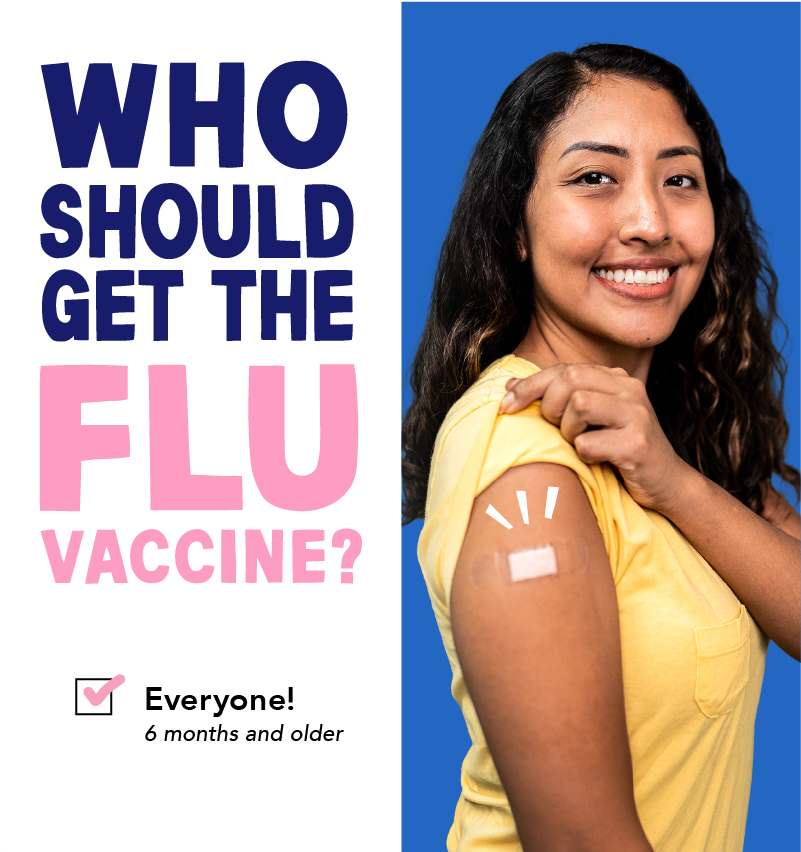
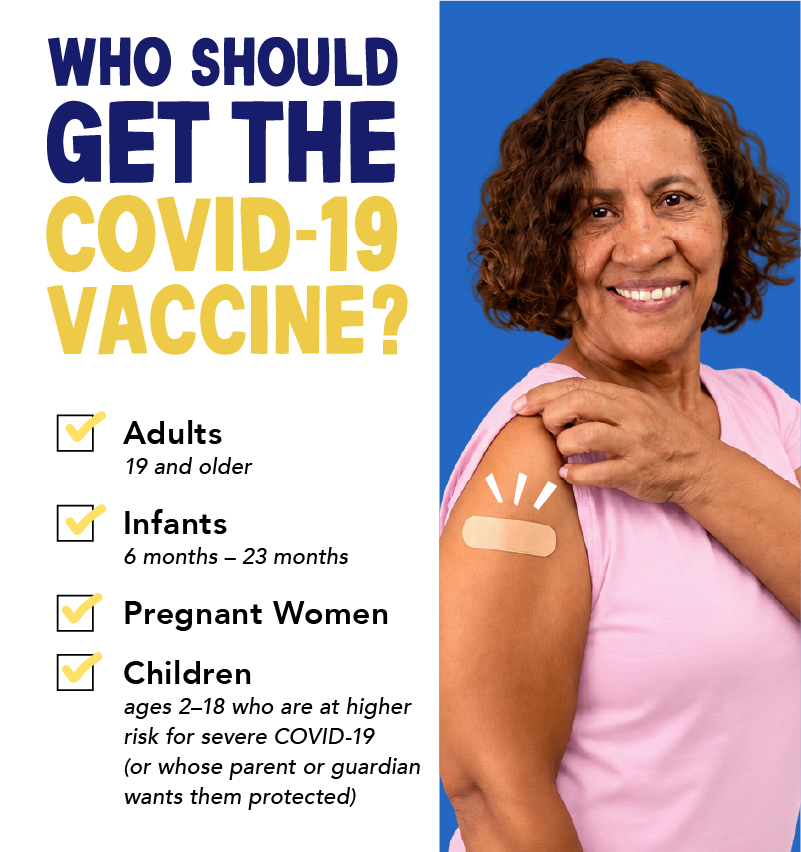
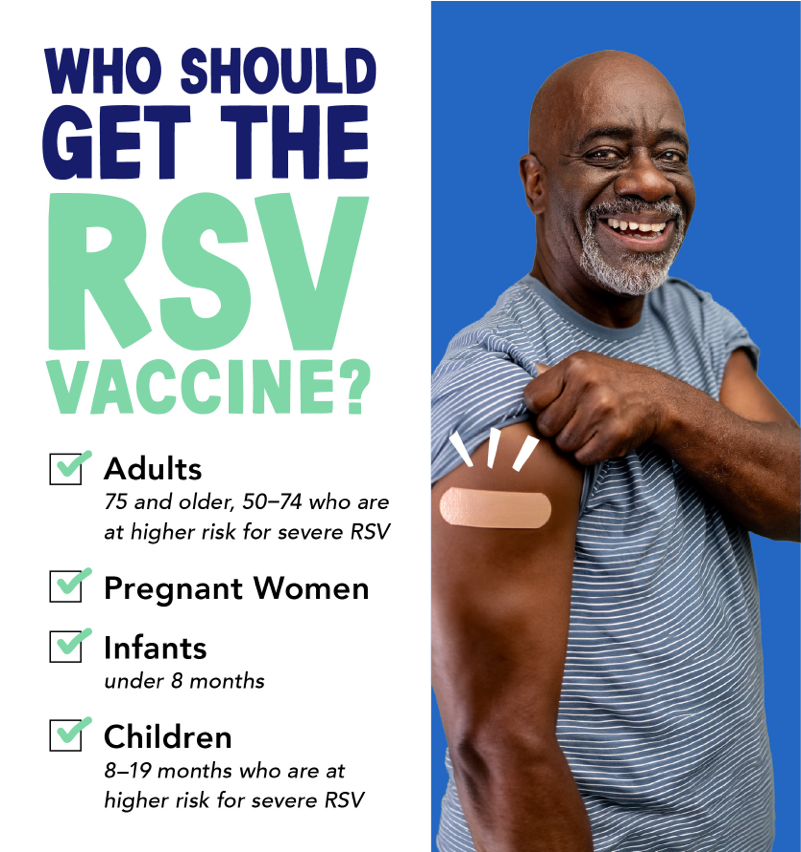
Cook County Department of Public Health follows the evidence-based vaccination recommendations from Illinois Department of Public Health , which are informed by the Illinois Immunization Advisory Committee. Illinois guidelines are consistent with current recommendations from the American Academy of Pediatrics and the American Academy of Family Physicians .
Find a Clinic
CCDPH is providing seasonal flu and COVID shots at no cost to everyone in suburban Cook County 6 months and older, now through February 2027. Walk-ins welcome.
- Schedule palm card (English/Spanish)
Vaccine Safety
It’s normal to have questions about vaccines. Vaccine recommendations are based on evidence about disease risk, vaccine effectiveness and safety. Vaccines are based on years of science, research, data and best practices. Seasonal vaccines are rigorously tested to make sure they are safe and effective.
- Vaccines are studied before they are approved for use.
- Safety continues to be monitored after vaccines are approved and used.
- Most vaccine side effects are mild and temporary, such as soreness, redness or a low fever.
- Serious reactions are rare.
Spread Facts
Questions About Vaccines? Get the Facts. We’re addressing common vaccine myths with clear, science-based information.
Myth
The flu vaccine can give me the flu
Fact
The flu vaccine cannot give you the flu. Some people report mild side effects after receiving a flu vaccine, such as headaches, muscle pain, fever, tiredness, and swelling at the injection site. Even though you might experience side effects, they are typically mild and resolve within 24-48 hours.
Myth
You don’t need a flu shot every year
Fact
The flu virus changes constantly, with new strains emerging. Each year the vaccine is updated to target those strains expected to circulate that season. Think of it like updating software on your phone: last year’s version just won’t cut it anymore.
Myth
Flu shots aren’t safe during pregnancy
Fact
Pregnancy makes you more susceptible to severe flu complications. Therefore, skipping your flu shot during pregnancy is the riskier choice. Research shows that getting vaccinated lowers your chances of catching the flu while pregnant and reduces risks of complications for both you and your baby.
Myth
RSV is just a cold. It’s not dangerous.
Fact
RSV can cause serious illness, especially in babies and older adults. RSV can lead to pneumonia, breathing problems and hospitalization. Vaccines and preventive antibodies can help protect people at higher risk.
Myth
RSV only affects babies and young children.
Fact
Older adults can also become seriously ill from RSV. Adults ages 75 and older, and adults ages 50–74 with certain health risks, are more likely to develop serious complications. RSV vaccination can lower their risk of hospitalization.
Myth
Babies are too young to be protected against RSV.
Fact
Babies can receive protection against RSV before or shortly after birth. An RSV vaccine during pregnancy can help protect newborns. Babies can also receive preventive antibodies that help prevent serious illness.
Myth
COVID vaccines are not safe.
Fact
COVID vaccines are safe.
Vaccines in the United States are constantly monitored for safety and benefits. Ongoing research studies identified no new safety concerns for COVID-19 vaccines. Since 2020, over 675 million doses of COVID vaccines have been administered in the United States, and over 80% of the U.S. population has had at least one dose of a COVID vaccine.
Since the vaccines were first distributed, many systems continue to monitor and track outcomes from COVID vaccines to ensure their safety and effectiveness. COVID-19 vaccines remain the most effective way to protect children, adults, and pregnant people from getting seriously ill, being hospitalized, or dying from COVID.
Myth
If I already had COVID, I don’t need the vaccine.
Fact
Having COVID gives you some protection, but that protection fades over time. An updated COVID vaccine can strengthen your protection, especially against serious illness.
Myth
The COVID vaccine doesn’t work because you can still get COVID.
Fact
The most important benefit of COVID vaccination is reducing your risk of becoming seriously ill, being hospitalized or dying from COVID.
Myth
The COVID vaccine can change your DNA.
Fact
COVID vaccines cannot change or interact with your DNA. mRNA vaccines deliver instructions that teach your immune system to recognize the virus. COVID vaccines also do not contain live coronavirus and cannot give you COVID.
Myth
COVID vaccines can cause fertility problems.
Fact
RSV can cause serious illness, especially in babies and older adults. RSV can lead to pneumonia, breathing problems and hospitalization. Vaccines and preventive antibodies can help protect people at higher risk.
Spread More Facts
No vaccine prevents every infection
- The flu and COVID viruses continue to change, and immunity from a past infection does not last forever.
- During the 2024–25 season, the updated COVID vaccine provided about 45–46% additional protection against COVID-related hospitalization among immunocompetent adults 65 and older during the first several months after vaccination, compared with people who had not received that season’s vaccine.
- An RSV vaccine during pregnancy can help protect newborns. Babies can also receive preventive antibodies that help prevent serious illness. Most babies need only one of these options.
Updated October 9, 2026, 12:41 PM