


Sexual Health and STI/HIV Prevention
Sexually transmitted infections (STIs), also known as STDs, refer to many different infections spread most commonly through sexual activity. The most prominent STIs are gonorrhea, chlamydia, syphilis, Mpox, and HIV, all of which are reportable conditions and require investigation by local health departments. Other common STIs include herpes, human papilloma virus (HPV, causing genital warts), hepatitis B, mycoplasma genitalium, and trichomoniasis.
STIs are very common. People of all ages and backgrounds can get an STI. There are 20 million new STI cases in the U.S. every year. Half of these are between 15 and 24 years old.
Anyone who is having sex can get an STI. STIs can be passed from one person to another through anal, oral or vaginal sex, or direct skin-to-skin contact. If left untreated, some STIs can cause long-term complications, such as severe pain, pregnancy outside the uterus, infertility, loss of eye sight, birth defects, certain types of cancers and an increased chance of receiving or giving HIV. Regular and routine STI testing is an important part of your overall health and is especially necessary because other sexual health conditions, like bacterial vaginosis (BV), can have symptoms similar to an STI.
Reportable STIs & HIV
Healthcare providers and laboratories that identify a positive result for these conditions are required to report those results to the health department. CCDPH conducts surveillance and investigations for the following conditions, in addition to producing routine reports and analyses on them.
Chlamydia
A common reportable STI that can cause infection most commonly in the genitals or rectum but can also infect the throat. Untreated infections can cause permanent damage to a woman’s reproductive system.
- Read more about chlamydia
- Download chlamydia brochure | English | Spanish |
Gonorrhea
A common reportable STI that can cause infection in the genitals, rectum, and throat. Untreated or unsuccessfully treated infections may progress to more severe illness.
- Read more about gonorrhea
- Download gonorrhea brochure | English | Spanish |
Syphilis
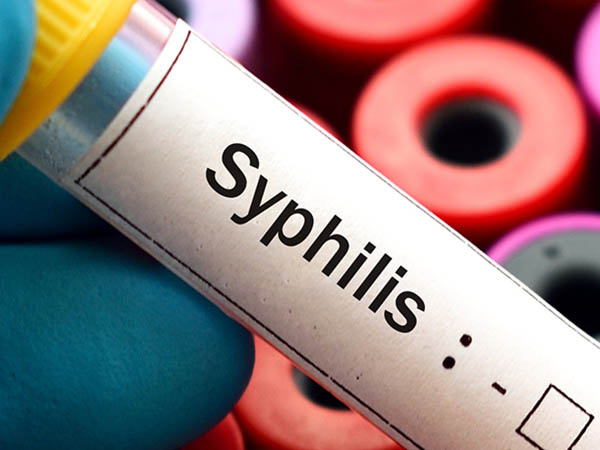
A common and risky reportable STI caused by the bacterium Treponema pallidum. Syphilis is most infectious during the early, primary, and secondary stages. Primary syphilis infections will cause sores (chancres) and secondary syphilis infections will cause rashes, among other symptoms. Untreated syphilis infections can lead to more severe illness like neurosyphilis and lead to permanent health challenges and may also be passed from a pregnant person to a baby.
- Read more about syphilis
- Download syphilis brochure | English | Spanish |
Congenital syphilis (CS)
Occurs when pregnant people who did not receive adequate syphilis treatment pass the infection to their babies during pregnancy. Congenital syphilis may be prevented during pregnancy but requires close coordination with a healthcare professional.
Mpox
A viral illness caused by infection with a virus, known as monkeypox virus, which may be transmitted through close, skin-to-skin contact with someone carrying the infection. Mpox is most often spread through sexual activity. Vaccines are available to reduce the risk of acquiring or transmitting mpox to others, while also reducing the severity of infections one may acquire.
- Read more about mpox
- Download mpox brochure | English | Spanish |
HIV
A virus that attacks the body’s immune system. Without treatment, it can lead to AIDS (acquired immunodeficiency syndrome). Medication is available to either reduce one’s risk of acquiring HIV (PrEP/PEP) or to manage HIV/AIDS for those living with the conditions (antiretroviral therapy). People living with HIV and AIDS can live healthy lives with antiretroviral therapy.
Non-reportable STIs & HIV
These sexual health conditions are not reportable in Illinois, meaning that CCDPH does not investigate these cases or routinely collect data on them.
Bacterial vaginosis (BV)
A condition that happens when there is too much of certain bacteria in the vagina, causing an imbalance.
Genital herpes
An STI caused by two types of viruses – herpes simplex virus type 1 (HSV-1) and herpes simplex virus type 2 (HSV-2).
Human Papillomavirus (HPV)
HPV is spread through intimate skin-to-skin contact. You can get HPV by having vaginal, anal, or oral sex with someone who has the virus, even if they don’t have signs or symptoms.
Pubic “crab” lice
Parasitic insects that feed on human blood. They are short and crab-like and look very different from head and body lice. Pubic lice typically attach to hair in the pubic area.
Trichomoniasis (or “trich”)
A very common STI caused by infection with trichomonas vaginalis (a protozoan parasite).
Mycoplasma genitalium (“Mgen”)
A common STI caused by infection with the Mycoplasma genitalium bacteria.
Prevention

Request Free Condoms
CCDPH is pleased to offer free condoms by mail to residents of suburban Cook County.

Doxy PEP
Doxycycline (or Doxy) can prevent chlamydia, syphilis and gonorrhea after exposure.

Prevent HIV with PrEP
PrEP (pre-exposure prophylaxis) is for adults and adolescents without HIV who may be exposed to HIV through sex or injection drug use.

Expedited Partner Therapy (EPT)
EPT is the clinical practice of providing prescriptions or medications to the patient to take to his/her partner without first examining the partner.
Campaigns

Don’t Guess. Get a Test.
Sexually transmitted infections (STIs) often have NO symptoms or can masquerade as other things. Find an STI testing location near you.

Syphilis Stops with Me
Prioritize prevention with early testing. Learn how to protect yourself and your baby.

Maternal and Child Health
Find resources for people who are pregnant or planning to become pregnant, their partners and their families, at every stage, regardless of gender identity or sexual orientation.
Communicable Disease Data & Reports
Cook County Department of Public Health (CCDPH) provides comprehensive population, health behavior, disease and injury data for residents of suburban Cook County. Some data is available by geographic areas.
Resources
Getting to Zero Illinois HIV – Getting to Zero Illinois (GTZ-IL) is a community engagement initiative that aims to end the HIV epidemic in Illinois by 2030.
Resources for Parents – Many parents find that talking with their children about sexuality and reproduction can be overwhelming. There are many tools to help you, no matter if you’ve already begun talking with your children about sexuality and want help answering specific questions, or if you don’t know how to start the discussion.
STD Treatment Guidelines – CDC’s Sexually Transmitted Infections (STI) Treatment Guidelines, 2021 provides current evidence-based prevention, diagnostic and treatment recommendations that replace the 2015 guidance.
U=U – Prevention Access Campaign (PAC) is a global non-profit organization dedicated to saving lives and ending the HIV epidemic by making Undetectable = Untransmittable (U=U) a reality for all people living with HIV.
Testing and Treatment

Testing sites in Cook County
Find free or low-cost STD/HIV testing sites near you.
Provider Toolkits


Updated September 16, 2026, 12:36 PM