




COVID
Cook County Department of Public Health follows the evidence-based vaccination recommendations from Illinois Department of Public Health , which are informed by the Illinois Immunization Advisory Committee. Illinois guidelines are consistent with current recommendations from the American Academy of Pediatrics and the American Academy of Family Physicians .
About COVID
Who is most at risk for COVID?
Anyone can get COVID. People at increased risk of severe COVID illness and complications, including hospitalization and even death, include: People ages 65 years or older, those who are unvaccinated or not up to date on their COVID vaccinations, and people with certain medical conditions.
How does COVID spread?
How is COVID prevented?
Staying up to date with the latest COVID vaccine is the most effective and safe way to prevent severe illness, hospitalization, or death due to COVID infection.
What should I do if I have COVID symptoms?
COVID symptoms mimic symptoms of the flu and other viruses. Anyone with COVID symptoms should get tested. If you have contracted COVID, you can stop spreading it to other people by staying home and away from others until all of your symptoms improve and you are fever-free for at least 24 hours without fever-reducing medication.
COVID Symptoms
COVID symptoms may include:
- Fever or feeling feverish
- Chills
- Cough
- Shortness of breathe
- Sore throat
- Runny or stuffy nose
- Muscle or body aches
- Fatigue
- Headache
- Nausea or vomiting
- New loss of tase or smell
- Diarrhea
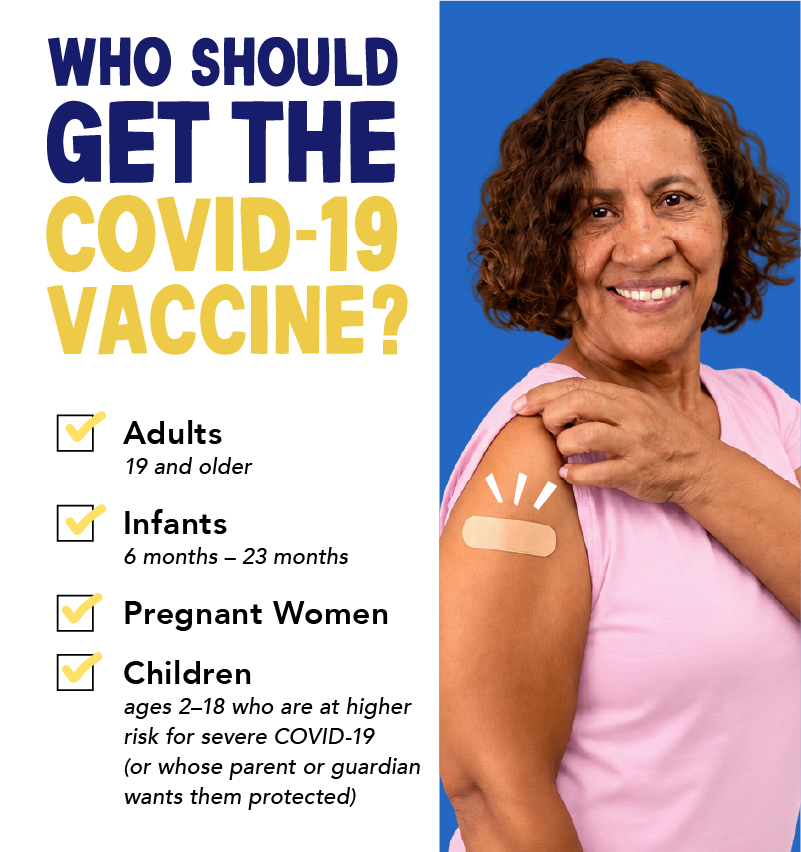
Who should get the COVID vaccine?
Treating COVID

Treatment Options
- If you think you have COVID, testing can help you decide what to do next.
- COVID antiviral medications may help lessen symptoms, shorten your illness, and reduce the risk of some complications. They work best when taken as soon as possible (especially if you are at increased risk serious illness) or within 5-7 days of when symptoms first begin to appear.

Managing Symptoms
- Most people have mild illness and recover at home.
- Take acetaminophen or ibuprofen to help reduce fever and body aches.
- Stay away from others to avoid spreading COVID.

Call your health care provider or go to urgent care or the ER if you:
- Have trouble breathing
- Have chest pain
- Have new confusion
- Are unable to wake or stay awake
- Or if lips, nail beds or skin appear pale, gray or blue (depending on skin tone)
Fact Sheet About COVID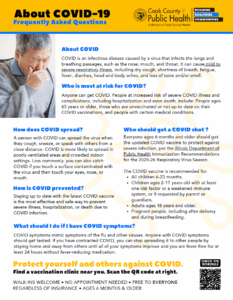
Updated October 16, 2026, 2:13 PM